
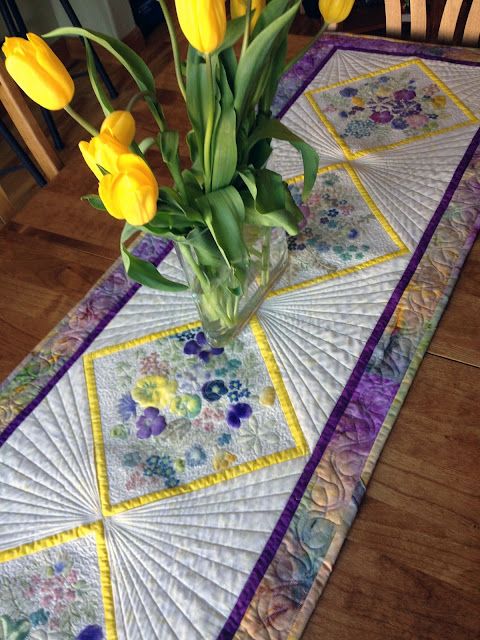
Table Runner: 10 Simple Patchwork Patterns
Table Runner: 10 Simple Patchwork Patterns
Table runners are the ideal project for both beginner quilters and experienced sewers looking for a quick, satisfying win. They don’t require a huge time commitment or a massive amount of fabric, making them perfect for using up those beloved scraps.
Below is a curated list of 10 simple patchwork table runner patterns, focusing on easy-to-master quilting blocks and construction methods.
10 Simple Table Runner Patterns & Tutorials
Here are ten easy-to-follow patterns and free tutorials for creating beautiful patchwork table runners:
1. The 10-Minute Table Runner
This is a favourite among beginners for its speed and simplicity. It often involves simply piecing together a strip of pre-made quilt blocks (if you have extras) or two long panels of decorative fabric, adding batting and backing, and turning it right-side out (no binding required).
- Tutorial Link: Easy 10 Minute Table Runner Tutorial for Beginners (YouTube)
2. Stacked Strips Runner (Jelly Roll Friendly)
This pattern uses 2.5-inch fabric strips (or “Jelly Roll” strips) sewn together lengthwise. By simply stacking, sewing, and trimming the strips, you achieve a clean, modern look that highlights a variety of colours and prints.
- Tutorial Link: Stacked Strips Table Runner (Patchwork Posse) (Scroll to find the “Stacked Strips Table Runner” in the list)
3. Four-Patch Blocks Runner
The Four-Patch is a fundamental quilting block. You create small squares and sew them into groups of four, forming larger squares. Line these blocks up to create a simple, straight runner. It’s fantastic for contrasting light and dark scraps.
- Tutorial Link: Search for “Cool Four-Patch Runner” or similar patterns on sites like American Patchwork & Quilting.
4. Half-Square Triangle (HST) Runner
The Half-Square Triangle (HST) is one of the most versatile blocks. You can create a table runner using a single row of repeating HST blocks turned in a chevron or zigzag pattern. This uses only squares and triangles and offers endless design possibilities.
- Tip: Look for tutorials on creating HSTs quickly using the “Eight-at-a-Time” method.
5. Cheery Fabric Squares Runner (Square Scramble)
This pattern is ideal for using up a large collection of small squares (e.g., 5″ or 6″ squares). Simply sew the squares together in a straight row or a checkerboard layout. This simple grid is all about showcasing the fabrics themselves.
- Tutorial Link: Search for “Square Scramble” or “Checkerboard Table Runner” tutorials.
6. The “Quilt-As-You-Go” Braid Runner
This technique is wonderful because you quilt small sections as you piece them, eliminating the need for a huge machine quilting session at the end. The braid pattern is created by adding strips sequentially, making a stunning woven look.
- Tutorial Link: Look for tutorials on making a Braid Runner or a Quilt-As-You-Go Runner.
7. Modern Geometric Runner (Large Triangles/Diamonds)
Many contemporary runners utilize large, geometric shapes like diamonds or large equilateral triangles. These pieces are easy to cut and sew, creating a bold, eye-catching design with minimal piecing.
- Tutorial Link: Search for “Easy Diamond Table Runner Pattern” or “Geometric Table Runner” patterns.
8. Friendship Chain Table Runner
This uses a classic block (often a variation of the Nine-Patch) that creates diagonal lines or “chains” across the piece when the blocks are joined. It’s an approachable way to tackle a traditional quilt design.
- Tutorial Link: How to Make a Friendship Chain Table Runner (YouTube)
9. Log Cabin Block Runner
The Log Cabin is a timeless block built from strips sewn around a central square. You can make three or four large Log Cabin blocks and sew them together to form a runner. Varying the orientation of the blocks (all in one direction or alternating) creates different stunning effects.
- Tutorial Link: Search for “Log Cabin Table Runner Tutorial” or “Log Cabin Block for Beginners.”
10. Simple Strip and Border Runner
This pattern uses a large, solid strip of a main fabric, flanked by thin strips of contrasting fabric on either side, then bordered. It’s simple, highlights one main print, and is a great way to practice adding straight borders and binding.
- Tip: This is highly customizable—change the width of the strips for a different look. Search for “Strippy and Bright Table Runner” or “Border Up Table Runner.